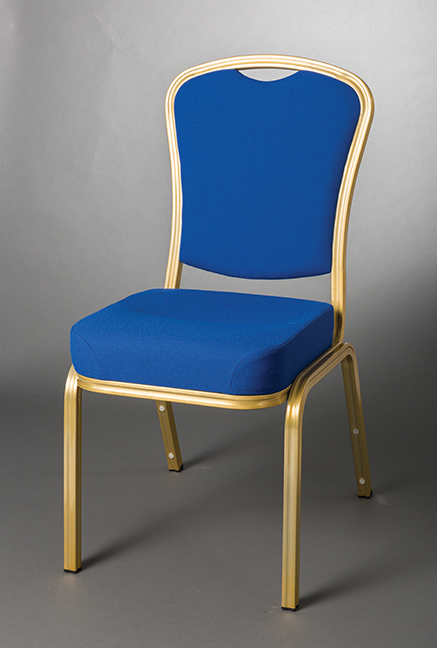
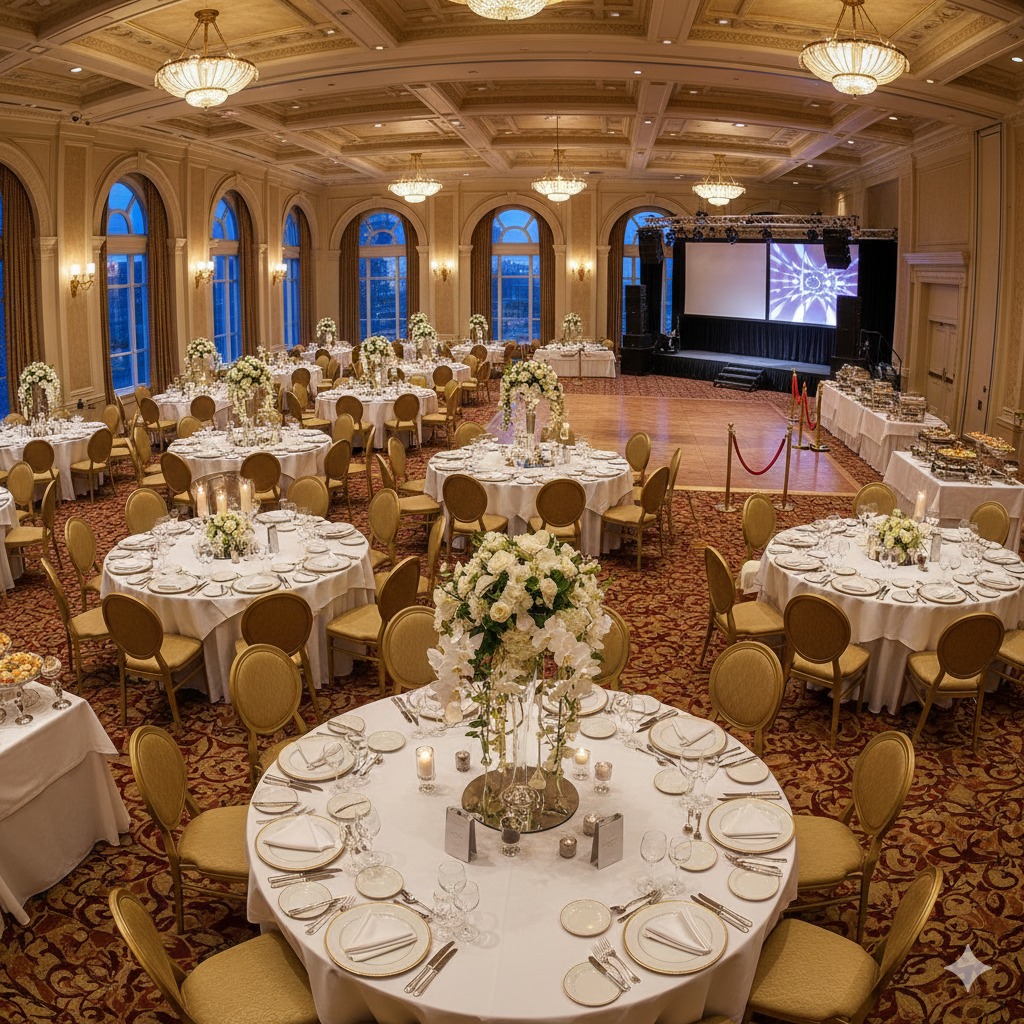
Elevate your event space with our premium banquet chairs, designed where style meets structural integrity. Engineered for long-lasting performance, these chairs provide a sophisticated seating solution for weddings, galas, and corporate seminars.
Our banquet tables are the industry standard for versatility and strength. Designed to support heavy loads while remaining easy to maneuver, these tables are essential for everything from formal wedding receptions to high-impact corporate conferences.
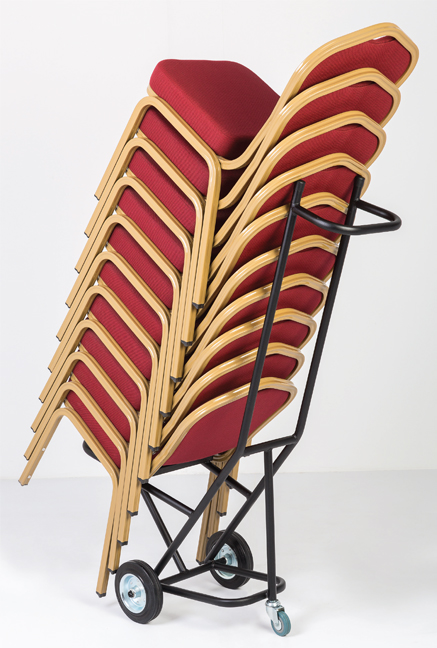
Streamline your event logistics with our professional-grade multipurpose trolleys. Engineered for high-capacity transport, these trolleys are the essential tool for rapid setup, teardown, and organized storage of banquet furniture.
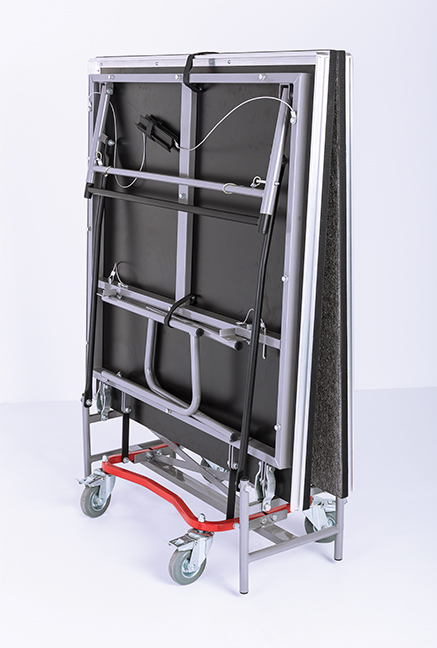
Create a focal point for any event with our premium centerfold stage. Designed for rapid deployment and maximum stability, this staging solution is perfect for keynote speakers, performers, and award ceremonies.
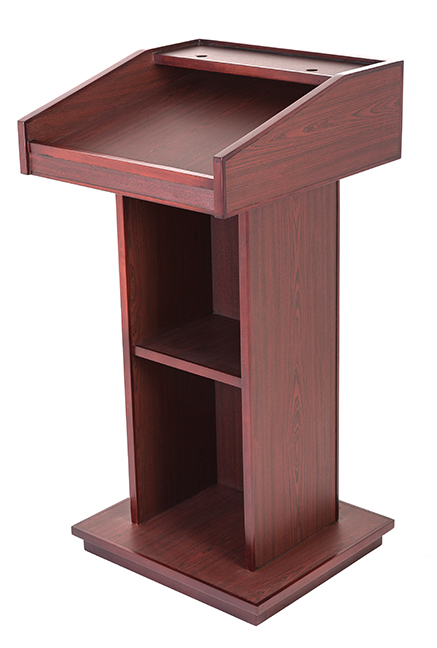
Command the room with our Executive Presentation Podium. Combining a classic wood-grain aesthetic with modern ergonomic features, this podium provides a professional platform for keynote speakers, presenters, and event hosts.